FOR ALL THE ANIMALS
connect with us!
  • PHOTO BLOG
    • LADYBUG PHOTOS
    • My Mother's Obituary
    • GettingInTouchWithNature BLOG
    • Vietnam on Motorcycle
    • Plant Life
    • Swan Specialist
  • BIO
  • PHOTOGRAPHY
    • Contact
    • Private Investigator
    • My Beloved Dog
  • LEARN
    • CLAY ORGAN-PIPE NEST
    • SETTING BULLS ON FIRE??!
    • MOOSE FACTS
    • THE DIFFERENCE BETWEEN SQUIRRELS & CHIPMUNKS
    • WISE ABOUT BEARS
    • ARE COWS SENTIENT
    • YOU BUY, ELEPHANTS DIE
    • GROW YOUNG WITH YOUR DOG - Best Selling Book
    • ALL ABOUT YAKS IN NEPAL
    • ABOUT CHICKENS
    • THE ART OF DECEPTION
  • MY BOOKS
    • MY ART FOR SALE
  • BEE INSPIRED
    • TINY LIFE
    • BEE BLOG
  • Beach Wood
  • Getting In Touch With Nature
  • TIPPI DEGRE - GROWING UP AROUND EXOTIC ANIMALS
  • FIGHTING AGAINST FUR
  • ARCHIVES
    • ABOUT
    • WRITE FOR US
    • OUR STAFF
    • BLOGS >
      • BLOG by Porter
      • BLOG BY NORA
      • BLOG BY VARUN
      • BLOG BY BENDIK
      • BLOG BY KAILYN
      • Blog by SARAH H.
      • LIERRA'S BLOG
      • BLOG BY KABIR
      • BLOG by ZACH
      • ANNA'S BLOG
      • Thoughts by Helen Hu
      • BRAYLIN'S BLOG
      • SARA'S BLOG
      • Blog by Sara Jane
      • BLOG BY JASPER
    • BLOG by ANNE
    • LIZZY'S BLOG
    • Blog by Abu
    • BLOG by Z.K.
    • NEWEST STORIES
    • PETITIONS

What Kind of Human Kills Man's Best Friend Like This?

11/25/2014

1 Comment

 
Galgos (greyhounds) were brought to Spain by nobleman, so they were held in very high regard. Only the people of high rank could obtain one. After a few decades, they lost their prestigious position and became known as “trash dogs”. 
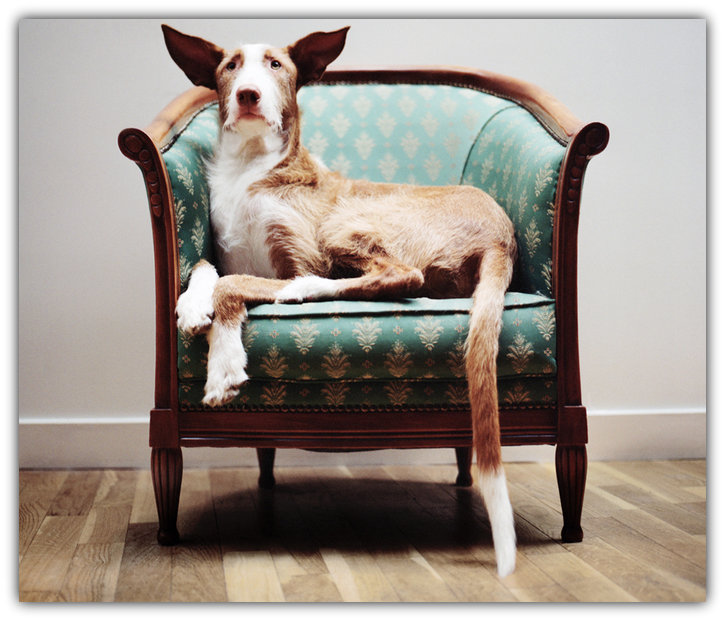
PictureDavid Rosenberg is the editor of Slate’s Behold blog. He wrote an article on Mathias de Lattre, a photographer who did portraits of abused greyhounds in their happy, new homes.
Roughly 10,000 greyhounds every year in Spain are hanged from trees after hunting season.  Another 50,000 are abandoned or living in deplorable situations. Farmers and hunters in the Spanish countryside, where roughly 30 million people live, own these greyhounds and use them for hunting hares and sporting. These poor animals live in deplorable, crude and cruel conditions. Many are crammed in sheds without daylight for days- even up to a week- with very little food and water. Some are kept in the back of vans and have died from heat exhaustion. After a day of hunting, dogs that hunted well might be “rewarded” with stale bread and fresh water. Poor-performing dogs are often left behind in the woods to die or are hung from a tree by its owner. 

Stemming from a decades-long tradition, hunters hang their hounds from trees. Dogs who hunted well get the ‘privilege’ of being hung from a high branch. Those who hunted poorly are ‘hung low’ so their feet touch the ground, ensuring a slow, tortuous death. They have a name for this form: the "PIANO PLAYER" because the dogs frantically scrabble their legs in a vain attempt to live. 
Picture
David Rosenberg is the editor of Slate’s Behold blog. He wrote an article on Mathias de Lattre, a photographer who did portraits of abused greyhounds in their happy, new homes. We could show you the abused dogs. Or the dead dogs hung from trees. Instead, see what a dog rescued looks like. Please do your part. Speak for these dogs.
Ex-hunting dogs are often thrown down wells or abandoned in the woods or streets to die. Some are even burned alive. The methods Spaniards use to kill their dogs are rarely humane. Spain’s national animal protection laws apply to dogs that are pets. But hunting and sporting dogs are NOT considered pets!  People are trying to reach out to Spain’s Environmental Minister, Rosa Aguilar Rivero, and asking her to establish hunting dogs as pets as well as banning the inhumane treatment of these animals.

Please share this article and tweet and talk about this. Education is key to making changes. Sign petitions. Raise your voice. Do something. Be part of the solution and help end the deplorable treatment of greyhounds in Spain. 

Picture
click on image to go to petition
Video about Greyhound abuse in Spain with Spanish subtitles to be shown at the Spanish Congress of Deputies on March 12th, 2014.

 
Sources:
http://www.greyhoundsinneed.co.uk/natureofproblem/natureofproblemFrame.htm?http&&&www.greyhoundsinneed.co.uk/natureofproblem/AmigosdelosGalgos.htm
http://www.euroresidentes.com/Blogs/2004/11/torturous-lives-for-greyhounds-in.htm
http://www.dailymail.co.uk/news/article-2290221/The-heartbreaking-plight-Prince-greyhound-left-tortured-starving-owner-decided-longer-hunt.html
http://forcechange.com/24603/ban-torturous-hanging-of-greyhounds-in-spain/
1 Comment

THE AMAZING AYE-AYE

11/1/2014

2 Comments

 
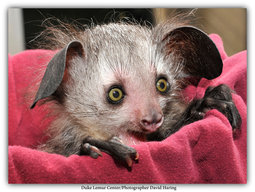
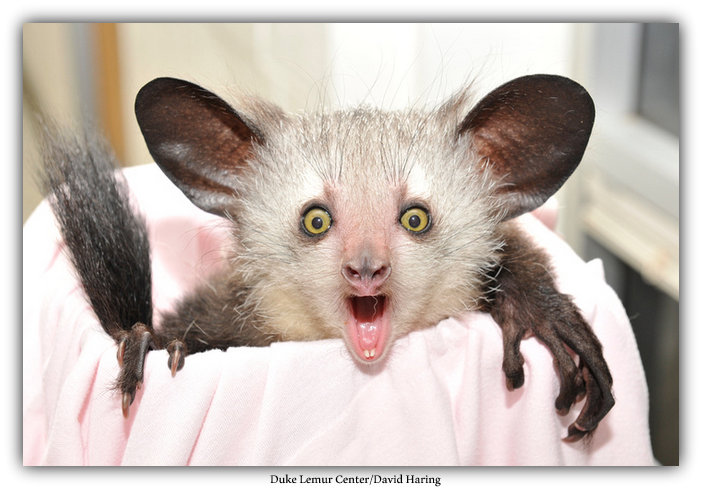
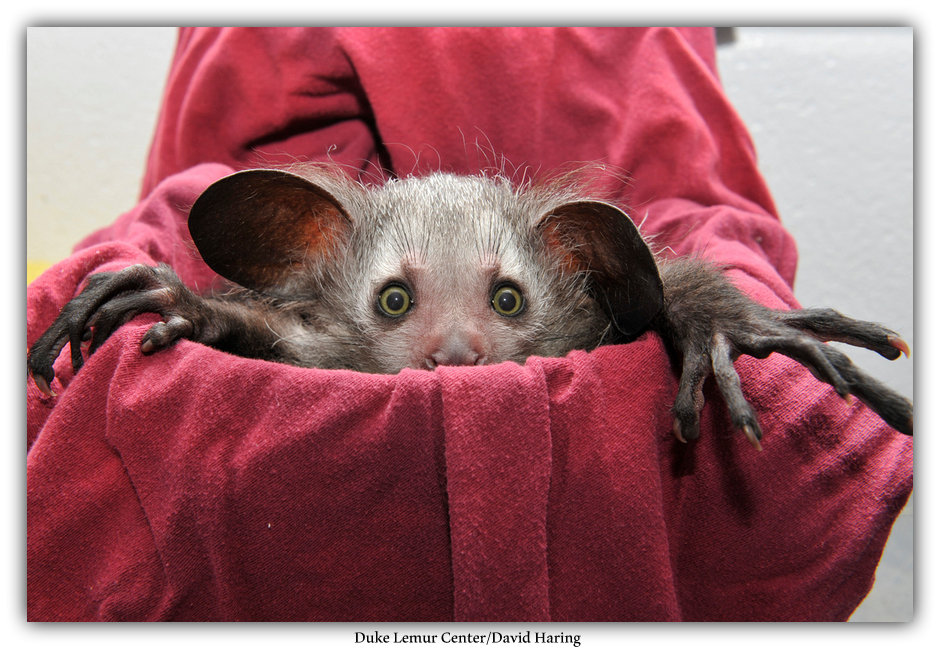
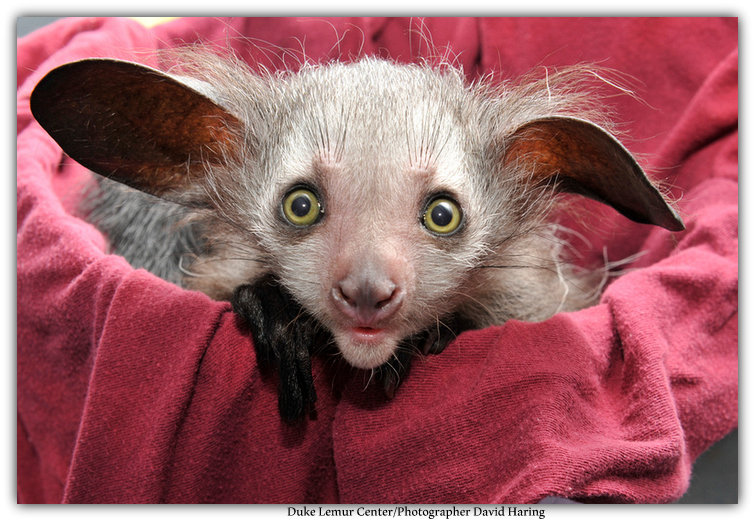
Aye-ayes can be found only on the island of Madagascar. These rare animals are related to chimpanzees, apes, and humans. It is the largest species of nocturnal primates. They are dark brown or black and are distinguished by a bushy tail that is larger than their body, only weighing between five and six pounds. They also feature big eyes, slender fingers, and large, sensitive ears. Aye-ayes have pointed claws on all their fingers and toes except for their opposable big toes, which enable them to dangle from branches.
Picture
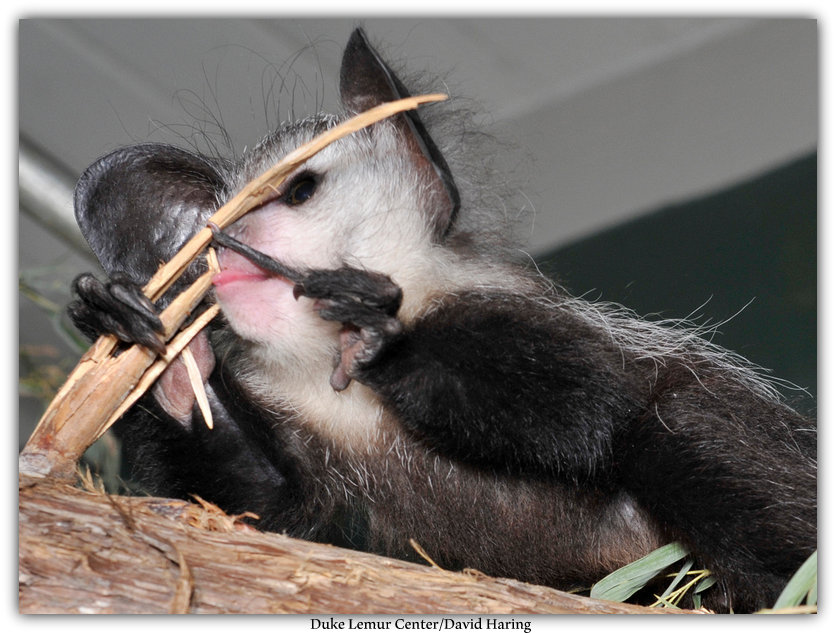
Aye-ayes spend their lives in rain forest trees and avoid coming down to the ground. They are nocturnal, and spend the day curled up in a ball-like nest of leaves and branches. The nests appear as closed spheres with single entry holes, situated in the forks of large trees. When moving, Aye-ayes either build new nests or take over old ones. While perched aloft, the aye-aye taps on trees with its long middle finger and listens for wood-boring insect larvae moving under the bark. It employs the same middle finger to fish them out. The digit is also useful for scooping the flesh out of coconuts and other fruits that supplement the animal's insect diet. Their eating habits tend to change with the season to accommodate what kind of food is available. These adaptations to make their feeding habits easier are what makes them very unusual looking.
Picture
Aye-ayes have no fixed breeding season. The females have distinct mating calls that they show off when they’re ready to mate, which leads many males to surround her and fight for their right to mate. A single offspring is born after a gestation period of only six months. After a female has her offspring, she will wait around three years to mate again.
Picture
PictureDuke Lemur Center/David Haring
Many people native to Madagascar consider the aye-aye an omen of bad luck. They believe that if their long, skeletal middle finger is pointed at you, you are cursed to death unless you kill the aye-aye as quickly as possible. Another myth is that these creatures sneak into villages at night and use their middle finger to stab locals in the aorta. For this reason they often have been killed on sight. Such hunting, coupled with habitat destruction, has made the aye-aye critically endangered. Today they are protected by law, but their numbers are still decreasing. The total population of the aye-aye is currently unknown, but is estimated to be between 1,000 and 10,000 individuals.

Picture
SOURCES:
http://www.edgeofexistence.org/mammals/species_info.php?id=16
http://animals.nationalgeographic.com/animals/mammals/aye-aye/
http://pin.primate.wisc.edu/factsheets/entry/aye-aye
http://www.arkive.org/aye-aye/daubentonia-madagascariensis/
http://www.bbc.co.uk/nature/life/Aye-aye
http://a-z-animals.com/animals/aye-aye-/
http://www.iucnredlist.org/details/6302/0
http://biochemicalsoul.com/2009/02/adaptation-of-the-week-the-aye-ayes-freaky-finger-ive-been-cursed-by-an-aye-aye/
http://ayeayesproject.weebly.com/legends.html
http://wwf.panda.org/about_our_earth/teacher_resources/best_place_species/harry_potter_top_10/aye_aye.cfm


Special thanks to photographer, David Haring, for his wonderful photos of these amazing creatures! http://lemur.duke.edu/
2 Comments
    Picture

    RSS Feed

    SARA'S BLOG

    Sara Chamberlin 18 and in her first year of college. Her dream is to become a psychologist or a writer. She enjoys reading and being with her pets at home, which includes two dogs, two rats, and a beta fish. Sara is very passionate about animal rights and humane treatment towards every animal species. Her hobbies include visiting her local horse stable, volunteering for an animal rescue center, as well as American Cancer Society, and spending time with her family.

    Picture
    Sara
    Subscribe to SARA'S BLOG by Email

    Archives

    May 2015
    February 2015
    November 2014
    October 2014

    Categories

    All
    AYE-AYE
    Dehorning Rhinos
    Greyhounds Killed After Hunting Season
    MADAGASCAR'S NOCTURNAL PRIMATE
    RHINOS ARE RACING AGAINST EXTINCTION
    Spain's Cruel Treatment Of Greyhounds
    Thandi Video - The Rhino That Should Never Have Been Born
    Wolf Superstitions

    RSS Feed

Powered by Create your own unique website with customizable templates.